
Immersive Horror Worlds


Immersive Horror Worlds Where The Fear Is Rehearsed
Full of gore, and chaos, where terror knows no limits.
An immersive horror world is a story you are put inside — the set built, the cast rehearsed, and the fear designed rather than left to chance.
Are you a thrill seeker who dreams of Freddy Krueger and hides behind the cushion, but secretly loves that scary “when’s it over” moment? Then our worlds of horror are for you!
The Events Mill is an event design and production company. We are the agency responsible for the whole thing — the concept, the design, the build, the styling and props, the performance and the production — which is why the worlds on this page are places that did not exist until we made them.
Worlds We’ve Already Created
A deadhouse, a ball, and a Halloween launch


- 300guestsSomerset House
- 150guestsThe Surrealist Ball

Enter Dracula’s Castle
Designed for — a super exclusive private 50th birthday.
Thrills, chills, and questionable life choices
Prepare yourself for an experience of thrills, chills, and questionable life choices, because no amount of garlic, crucifixes, or “I’m just here for the buffet” excuses will save you once you enter Dracula’s castle! Picture this: dimly lit hallways, shadowy figures lurking in every corner, and the ominous swish of Dracula’s cape echoing somewhere behind you as you tiptoe through this gothic horror show.


The Phantom Of The Opera
Designed for — four decades of the West End’s most famous ghost, celebrated with the best of the theatre world, and dinner for 100 on the stage.
No ordinary dance floor
Meanwhile, if you’re brave enough to waltz your way into the Phantom of the Opera’s lair, watch out — this is no ordinary dance floor, but a fully immersive Masquerade on stage. Between the eerie organ music and the ever-present risk of a chandelier dropping from the ceiling, you’ll be hoping that the Phantom’s obsession with drama doesn’t involve you! So, whether you’re dodging vampire bats or narrowly avoiding airborne chandeliers, let’s just say it will be memorable... if you make it out.

Mary Shelley’s Frankenstein
The ultimate immersive horror awakening
Told in three acts A physical interpretation of the mad scientist and his creation.
The Featured Story
Frankenstein, Act I
This adventure brings to life Shelley’s classic, considered to be the first sci-fi horror novel, the tale of Victor Frankenstein, The Monster and Captain Walton, told in three acts as a sensory, physical experience. As a passenger experience, guests are encouraged to explore, investigate and interact with the worlds they inhabit, for the further they immerse themselves, the deeper Mary Shelley’s world — and The Monster — will come alive.


-
Setting the Scene
The narrator wakes
A long, shadowy table is set with a model of Frankenstein Castle, the Rhine winding through it and the Alps behind. In one corner a woman lies restless in a single bed, a dim lamp flickering over her. Her nightmare begins to bleed out of her and across the walls, until it has mapped the whole room. Then she wakes with a start — and her nightmare is ours.
-
Captain Walton’s Discovery
Three seats stand empty
Every place at the table is laid. Three are left empty: Victor Frankenstein, the Monster, and Captain Walton. You are on Walton’s ship, held fast in the ice. A cocktail arrives in shards of frozen ice, there is a flat-pack model of the boat, and rope you can eat, which is worse in the hand than it sounds. At each seat, a letter, the paper brittle with cold.
-
The Laboratory
He has done the unthinkable
Out of the ice and into the laboratory. Metal clattering, lights failing, arcs of electricity, and a smell of chemicals and burnt ozone that says something has just gone wrong. Frankenstein works through the haze, too far in to stop. Then the lights flicker, and a low growl comes from the dining room. It has worked. That is the problem.
-
The Adam of Your Labours
The apple rots in the hand
A perfect apple waits at every place. Reach for it and it rots in your hand, opening onto something underneath. With it, a note in an elegant hand: “the Adam of your labours.” Victor’s broken promises start whispering round the room. A hand comes up from under the table and is gone again.
-
The Monster Flees
End of Act I
The Monster rises in front of you — disgraced, unloved, rejected — and then flees, his whole form collapsing in on itself as he goes. He is not his maker’s any more. The lights flicker, the table shudders, and you are left knowing he is out there, waiting.

The Birth Of Immersive Design
Horror got here first
The horror genre has long been a fertile ground for innovation, particularly in the realm of immersive design. From haunted houses to cinematic experiences, horror has pushed the boundaries of storytelling and audience engagement, compelling us to explore new ways of re-telling the classics. Horror’s unique ability to tap into primal emotions like fear, tension, and dread makes it a powerful vehicle for immersive design, a trend that has evolved significantly with advances across the spectrum of theatrical design, technology, interactivity, and narrative complexity.

Atmosphere And Suspense As Immersion
Horror is defined by atmosphere
For us, horror is defined by atmosphere — dark, foreboding settings, and eerie soundscapes that envelope our audiences and transport them into the worlds of the story. Classic horror like Dracula uses visual and auditory cues to create a sense of inescapable tension, while our haunted houses rely on theatrical effects like hidden actors, sound machines, and lighting to immerse passengers in a visceral, frightening experience. Horror, terrifying worlds have always been the pinnacle of the sensory, immersive world.
Immersive design in horror has taken a leap forward with the integration of interactive technologies. We love to blur the lines between player and character, drawing the audience into terrifyingly detailed environments where they can influence the outcome. The player is no longer just a spectator but an active participant in the story, making the stakes feel real.
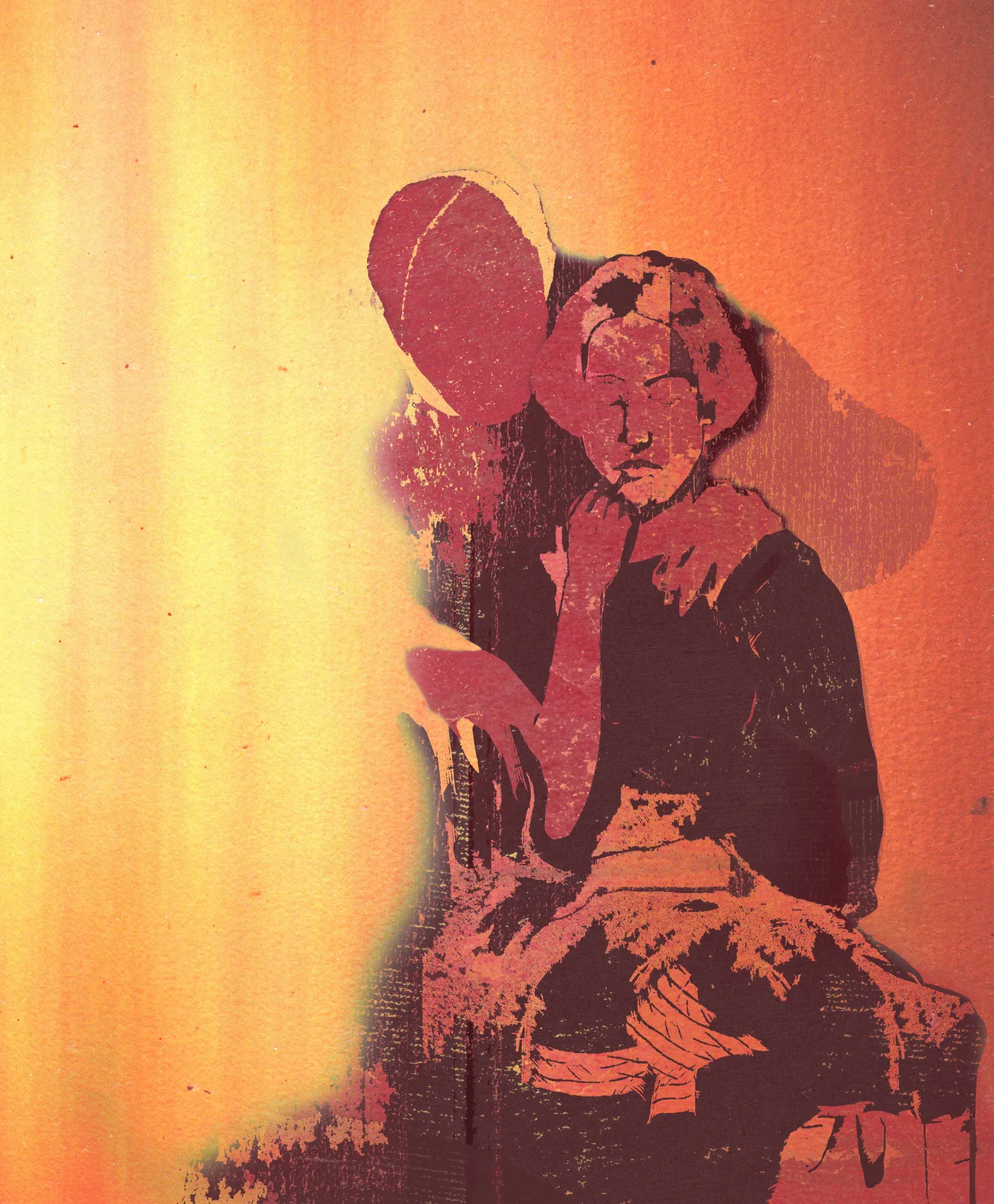

Interactive Horror: A New Frontier
Held in Bran Castle, Romania
Bran Castle, Dracula’s famous address in Romania, is the sort of place this belongs. The place is real, the cast is real, and the rest is added on top — a corridor that is not there until you turn into it, a face at a window that nobody else can see, a door that answers when you open it. Guests are not watching this happen. What they do changes what happens next, and the story bends around them rather than running to a script.
Horror’s Power In Immersive Design
Why fear works
- Why the genre fits
What makes horror the perfect genre for your next immersive experience? The genre naturally demands the kind of all-encompassing experience that immersive design seeks to create.
- What it does to you
When your senses are heightened, your emotions are amplified, making the experience more impactful and memorable. It’s a great vehicle to create a lasting impression, which is why horror stories are some of the most remembered (and loved) by society.
- Why you have to take part
Moreover, horror often requires participation. Whether it’s walking through an immersive haunted house, launching a new video game, or navigating a horror story as a new physical experience, the genre is designed to involve its audience on a deep emotional level. This interaction, this requirement for the audience to do something — even if it’s as simple as making a choice — creates an immediate connection between the user and the experience.
For brands, this is the golden opportunity. Just like Dracula’s bite, once he strikes, they’ll always be a part of the family.


We Can Even Charm Ghosts To Open Their Doors
Designed for — four decades of the West End’s most famous ghost.
Free rein, and no fear of collapsing chandeliers
Working with The Events Mill opens the door to extraordinary worlds, including the captivating realms of showbiz and theatre. We don’t just bring the cast and crew to your events; we provide access to iconic houses, stages, and world-famous venues, where legends of the arts have left their mark. Greats such as The Phantom of The Opera, whilst adverse to most, welcome us with open arms, as if we were Christine Daaé herself, The Angel of Music, giving us free rein to use his Opera House with no fear of collapsing chandeliers.


Masquerade, Paper Faces On Parade
Designed for — the Phantom at forty, and dinner for 100 on the stage.
A full cast of West End extravagance
Go big and tread the light fantastic, become the cast to your own theatrical masterpiece and do things differently. Have you ever considered a Westend stage as the perfect backdrop for a dining experience, whilst a musical is happening all around you?
- The ballroom
The song “Masquerade” from The Phantom of the Opera could be transformed into a dazzling gastronomic immersive experience by recreating the grandeur and mystery of the masquerade ball itself. Guests could be invited to don elaborate masks and costumes as they step into a lavish ballroom, complete with opulent chandeliers, mirrored walls, and a sweeping staircase.
- The cast
Performers in extravagant costumes could weave through the crowd, performing choreographed dances to the iconic score, making attendees feel as though they are part of the event, with a dinner themed entirely to the musical itself.
- The illusions
We’d use theatrical techniques to show hidden figures or phantom-like illusions to appear suddenly, heightening the sense of mystery and excitement.
- The secrets
Interactive elements, such as secret rooms or hidden puzzles, could deepen engagement, letting diners uncover the secrets of the masquerade and the Phantom’s presence.
This blend of live performance, immersive set design, and interactivity would bring the drama and spectacle of the musical to life in a way that fully immerses your guests in this hauntingly beautiful world.

Opening Doors
Actual addresses that link to the stories
Being exclusively able to open doors means having unparalleled access to extraordinary opportunities that are often out of reach for others. It’s not just about stepping into iconic venues or historic spaces — it’s about unlocking experiences that offer a deeper connection to culture, art, and prestige. When we are working a specific theme, such as horror, we love to be authentic and use actual addresses that link to stories, such as Phantom of The Opera in the Palais Garnier. We can open doors to private mansion, exclusively hire stages graced by legendary performers, or host experiences in world-renowned locations typically reserved for a select few. This privilege allows you to go beyond the surface, offering a behind-the-scenes glimpse into worlds rich with history, creativity, and glamour, making each event or experience truly unforgettable.

Or
We’ll bring the fright to you, wherever you are
If you want to go full-on classic horror, you’ll not want to miss our ultimate immersive horror awakening on Mary Shelley’s ‘Frankenstein’, a physical interpretation of the mad scientist Dr Frankenstein and his creation, told over three mysterious, thrilling and sensory acts. Be a participant in the story and understand the Prometheus and threat science can unleash on the world.
Go Bespoke and we’ll bring the fright to you wherever you are, whether you’re planning a Halloween spooktacular or ghost and ghouls dining experience at the Tower of London. We’ll work with you to bring your brief to life, just complete the enquiry form below and we’ll do the rest.
When To Start
Everyone wants the same fortnight
Horror has one season and the whole industry works it at once. A creature build, a cast and a set of prosthetics also take the time they take.
- Nine to twelve months
Right for a built world with a cast, prosthetics and effects. Costume, make-up and creature builds take the time they take, and cannot be hurried at the end.
- Halloween
Book it a year out. Every crew, venue and performer in the country is working the same fortnight, and the good ones go first.
- Under six months
A different conversation. We will tell you honestly what is still possible at that point, and what is not.
What It Costs
One of our key pillars is to always be authentic when we design, and with horror that means the place has to hold up when the lights are low and nobody is being hurried past it. What frightens one person leaves the next one laughing. Building the version that works on your guests takes investment, and budgets upwards of £50,000 are a good starting point for us to consider designing an experience of this kind.
We can weave our spooky skills with props, decor and stagecraft to create convincing horror-inspired environments for more conservative budgets, though our real specialism is producing fully immersive horror worlds with all the guts, gore and grime on display where investments upwards of £500,000 would offer true fright.
- A piece of itfrom £5,000
Props, decor and stagecraft.
- Theme, design and entertainmentfrom £50,000
A convincing horror-inspired environment, designed and performed.
- A fully immersive world£500,000 upwards
Guts, gore and grime, built whole — true fright.
Practical
Before the lights go down
- We agree how far it goes
Some of these are a shiver and a very good dinner. Others are a full haunting with a cast that stays with you the whole way through. The level is settled with you before anything is designed, and it is designed to that level, not discovered on the day.
How frightening - We design it, build it and cast it
The Events Mill is the agency responsible for the whole thing — the concept, the design, the build, the styling and props, the performance and the production. The performers are cast, rehearsed and directed by us.
Who makes it - Every dietary requirement
Where there is a table there is a kitchen, and horror is often eaten. Every cuisine and every dietary requirement is accommodated, with stringent processes for allergens and cultural preferences.
Allergens · cultural · every cuisine
After You Write In
How a haunting gets made
- 1
Enquiry
Send us the date, the number of guests and the shape of the idea.
- 2
Consultation
We meet to discuss your plans and to fully understand your vision and what you want your experience to feel like on the day. Practical details are also discussed.
- 3
Development
Our in-house creative, design and planning team fully develop a response in line with your brief.
- 4
The answer
We will tell you honestly what it takes to make it, and what it will cost to make it well.
Dazzling, daring, delicious, diva-tastic… I’m running out of D words! In short, it was a dream! Thank you so much. You’re a visionary!
I have sent quite a few thank you notes today but I don’t really know how to express the thanks I have for you and what you do for War Child. Personally — I couldn’t have done it without you, your professionalism but also your friendship and kindness. Event wise — wow!


As featured in


Questions
What people ask before the lights go down
What is an immersive horror experience?
Atmosphere, built. Dark, foreboding settings and eerie soundscapes that envelope the audience and transport them into the world of the story, with hidden actors, sound and lighting doing the work.
Are guests watching, or taking part?
Taking part. We love to blur the lines between player and character. The player is no longer a spectator but an active participant in the story, which is what makes the stakes feel real.
Can it be held somewhere real?
Yes, and we prefer it. We use actual addresses that link to the stories — the Palais Garnier for the Phantom, Bran Castle in Romania for Dracula.
Do you do Halloween?
Yes. A Halloween spooktacular, or a ghost and ghouls dining experience at the Tower of London. Book it a year out, because every crew in the country is working that fortnight.
Is the horror make-up real?
Real, and made by hand. Prosthetics, wigs, wardrobe and creature builds, all in-house, because latex you can touch beats anything on a screen.
Can horror work for a brand?
It is one of the strongest things a brand can do. Horror requires participation, and that interaction creates an immediate connection with the experience. Just like Dracula’s bite — once he strikes, they’ll always be part of the family.
How far ahead should we start?
Nine to twelve months for a built world with a cast and effects. A year for Halloween. Under six months is a different conversation and we will tell you honestly what is still possible.
Discover Other Immersive Worlds


Feeling Inspired?
“Our lives are one masked ball.”
Gaston Leroux, The Phantom of the Opera